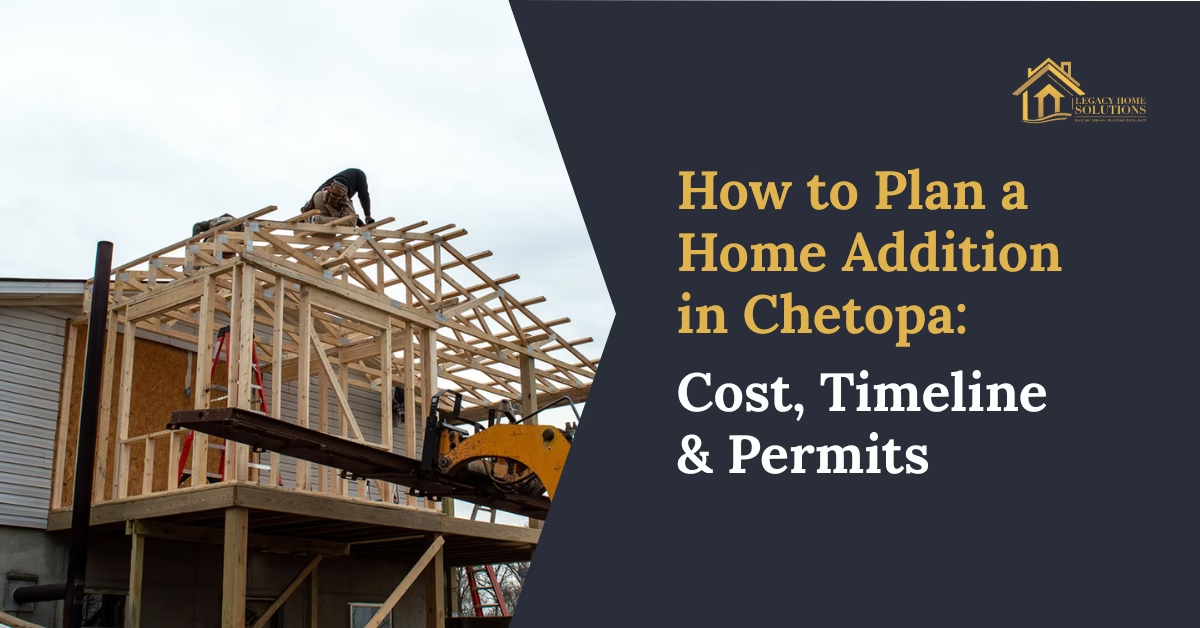
- Homeowners exploring a home addition in Chetopa, KS, are usually driven by a simple reality: their home no longer fits their life. Imagine walking through your house on a quiet evening and realizing every room feels slightly too small. The kitchen feels crowded during family dinners. The kids share rooms longer than planned. A home office exists only in your imagination.
Years ago, a local Chetopa family faced this exact situation. They loved their home, their street, and their neighbors. Moving felt disruptive and expensive. Instead, they chose to expand what they already owned. With careful planning, clear budgeting, and the right permits, they turned unused yard space into meaningful living space.
A well-planned home addition does not just add square footage; it restores comfort, function, and peace of mind.
This guide explains exactly how to plan a home addition in Chetopa, KS, from costs and timelines to permits and execution, so you can move forward with confidence and clarity.
Step 1: Clarifying the Purpose of Your Home Addition
A successful home addition in Chetopa, KS, starts with understanding why the space is needed. This step eliminates guesswork and aligns decisions around layout, budget, and timeline. Whether the goal is a bedroom, workspace, or extended living area, the function determines every design choice.
Many homeowners confuse expansion with improvement. A thoughtful plan focuses on usability, not just size. Families considering home renovation in Chetopa often find that targeted additions solve problems more effectively than full remodels.
Key planning considerations include:
- How the new space will be used daily
- Who will use it and how often
- Whether it should connect seamlessly to existing rooms
- How it impacts natural light, privacy, and traffic flow
Clear goals at this stage reduce delays, control costs, and create a smoother construction experience.
Step 2: Understanding the True Cost of a Home Addition
Budgeting for a home addition in Chetopa requires more than a rough estimate. Costs depend on size, complexity, materials, labor, and existing structural conditions. Many homeowners underestimate expenses because they focus only on visible finishes rather than the full construction scope.
Beyond framing and flooring, costs include design services, permits, inspections, foundation work, roofing integration, electrical upgrades, plumbing, insulation, and interior finishes. Each of these elements must meet local building standards, which affects pricing.
Below is a table to help you understand the different types of room addition costs in Chetopa.
| Type of Addition | Average Size | Estimated Cost Range | Notes |
| Bedroom Addition | 200–300 sq ft | $25,000–$45,000 | Includes insulation, windows, and flooring |
| Kitchen Expansion | 150–250 sq ft | $30,000–$60,000 | Cabinetry and appliances impact cost |
| Bathroom Addition | 50–100 sq ft | $15,000–$30,000 | Plumbing and tile selections matter |
| Living Room Addition | 250–400 sq ft | $35,000–$65,000 | Structural support may be required |
It is also important to plan for unexpected expenses. Soil conditions, older wiring, or foundation adjustments can add costs once construction begins. Setting aside a contingency budget helps avoid financial stress.
Step 3: Creating a Realistic Construction Timeline
Understanding the timeline of a home addition prevents frustration and unrealistic expectations. While homeowners often focus on the build itself, much of the timeline is spent on preparation and approvals. The planning and design phase alone can take several weeks. During this time, architectural drawings are finalized, materials are selected, and cost estimates are confirmed. Rushing this stage often leads to mistakes that cause delays later.
Permit approvals can vary depending on the scope of work and local review schedules. Some permits move quickly, while others require revisions or additional documentation. Once approved, construction begins in structured phases that must occur in sequence.
A typical timeline includes:
- Design and planning phase
- Permit review and approval
- Site preparation and foundation work
- Framing and exterior enclosure
- Interior systems and finishes
- Final inspection and completion
Weather, material availability, and inspection scheduling can affect timing. A well-coordinated project plan helps minimize downtime and keeps progress steady.
Step 4: Navigating Permits and Local Regulations
Permits are a critical component of planning a home addition in Chetopa, KS. They protect homeowners by ensuring that construction meets safety, zoning, and building code requirements. Most additions require permits for structural work, electrical systems, plumbing, and HVAC modifications. In some cases, zoning regulations determine how close the addition can be to property lines or how tall it can be.
Failing to obtain permits can lead to fines, forced removal of unapproved work, and complications when selling the home. It also increases safety risks, especially with electrical and structural systems.
Working with experienced home addition services simplifies this process. Professionals handle documentation, schedule inspections, and ensure compliance at every stage, allowing homeowners to focus on decisions rather than paperwork.
Step 5: Designing an Addition That Blends Seamlessly
Design is not just about appearance; it is about integration. A well-designed addition should feel like it has always been part of the home. This requires careful consideration of layout, rooflines, materials, and interior transitions.
Matching exterior siding, window styles, and roof pitch helps maintain curb appeal. Inside, consistent flooring, trim profiles, and ceiling heights create visual continuity. Poor design choices can make an addition feel disconnected or awkward.
Functionality is equally important. The new space should enhance flow rather than disrupt it. Hallways, door placement, and sightlines must be planned to support daily movement through the home. Good design balances aesthetics, comfort, and long-term usability.
Step 6: Managing the Construction Phase Effectively
Once construction begins, clear communication becomes essential. Regular updates, progress checks, and problem-solving discussions keep the project on track. Homeowners should understand what is happening at each phase, from foundation pouring to framing and interior work. This knowledge helps you identify issues early and make informed decisions when adjustments are needed.
Construction can be disruptive, especially when living in the home during the build. Planning for noise, dust, and temporary access changes reduces stress and helps your household adapt. A well-managed project prioritizes safety, cleanliness, and steady progress.
Step 7: Interior Completion and Final Details
The final stage of a home addition focuses on interior finishes and usability. This is where the space truly becomes part of your home.
Lighting placement affects how the room feels at different times of day. Storage solutions prevent clutter. Flooring and wall finishes must balance durability with style.
Final inspections ensure everything meets code requirements and performs correctly. Once approved, the space is ready for daily use and enjoyment. Taking time during this phase ensures the addition delivers both comfort and value.
Common Planning Mistakes to Avoid
- Ignoring long-term family needs
- Skipping the budget contingency
- Failing to secure permits before construction.
- Using materials that mismatch existing structures
- Rushing design decisions without professional guidance
- Neglecting energy efficiency and safety codes
Avoiding these mistakes helps reduce costs, prevents delays, and ensures a successful home addition in Chetopa KS.
Conclusion
Planning a home addition in Chetopa, KS, is a strategic process that requires clarity, budgeting, patience, and compliance. When done correctly, it allows homeowners to stay rooted in their community while gaining the space they need.
By understanding costs, timelines, permits, and design considerations, you can move forward with confidence and avoid unnecessary setbacks. A well-executed home addition enhances daily living and adds long-term value to your property.
Start your home addition journey with Legacy Home Solutions and experience expert planning from start to finish. Contact Legacy Home Solutions today to turn your vision into a functional, beautifully built reality.
FAQs
How does soil condition impact home addition costs in Chetopa, KS?
Unstable or expansive soil may require reinforcement or deeper foundations, increasing structural preparation costs.
Can a home addition affect property taxes in Chetopa?
Yes, increasing livable square footage often raises assessed value, which can lead to higher property taxes.
Is it possible to phase a home addition project to reduce financial strain?
Yes, structural and interior phases can sometimes be separated, allowing costs to be distributed over time.
How early should utility providers be contacted during planning?
Utility coordination should begin during the design phase to avoid service conflicts or relocation delays.
Does a home addition change homeowner’s insurance requirements?
Most insurers require updated coverage limits once construction is completed to reflect increased home value.