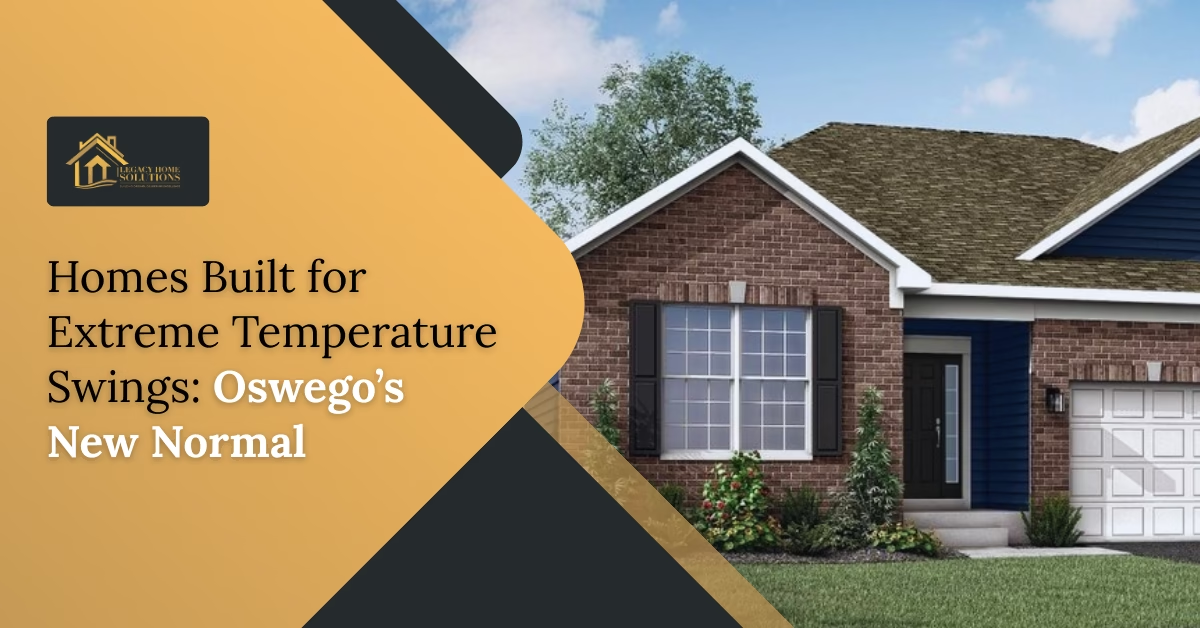
Oswego, Kansas, is now facing a climate reality that is reshaping how homes are built: extreme temperature swings. Summer heatwaves can push daytime temperatures above 100°F, while winter nights may drop to -10°F or lower within weeks or even days. These fluctuations create unique challenges for homeowners, making traditional construction methods inadequate. Today, climate-resilient homes are essential to maintain comfort, protect investments, and ensure long-term durability.
Years ago, homes constructed in Oswego were built assuming predictable seasonal patterns. Builders often relied on standard insulation, basic HVAC systems, and conventional materials that performed adequately under “normal” conditions. However, homeowners quickly discovered that sudden swings in temperature could cause serious problems. Roofs expanded and contracted, windows leaked, HVAC systems overworked, and energy bills soared. One early Oswego homeowner recalled:
“We thought our new house would handle winter and summer just fine. But after a week of freezing nights followed by 90-degree days, we had drafts, uneven heating, and a roof leak we never expected. It was clear our home wasn’t prepared for this climate reality.”
Experiences like these highlighted the need for homes specifically designed to handle extreme temperature variations. Modern construction in Oswego now prioritizes materials, layouts, and systems engineered to adapt to sudden heat and cold.
In this blog, you’ll learn exactly how homes are being built to withstand extreme temperature swings in Oswego, what features make them resilient, and how homeowners can plan for long-term comfort and energy efficiency.
Understanding Oswego’s Extreme Temperature Swings
Extreme temperature swings occur when the difference between day and night, or between seasons, is unusually large. In Oswego:
- Winter nights can drop below 0°F, while day temperatures may rise above 40°F
- Summer days may exceed 100°F, followed by cooler evenings in the 70s
- Seasonal transitions are unpredictable, creating stress on homes
These swings are more than inconvenient; they stress building materials, compromise HVAC systems, and create energy inefficiencies. Homes built without proper planning often experience:
- Cracking in walls and foundations
- Warping or leaks in roofing and siding
- HVAC failures or high utility bills
- Drafty or uncomfortable interior spaces
Understanding these patterns is the first step in designing homes that can handle Oswego’s new normal.
Core Features of Homes Built for Extreme Temperature Swings
Homes designed for Oswego’s climate are not just smaller or newer; they are built with specific features that directly address extreme heat and cold.
1. Advanced Insulation Systems
High-performance insulation is the first defense against temperature swings. Spray foam, rigid foam boards, and multi-layer insulation prevent heat loss in winter and reduce heat gain in summer.
Benefits:
- Stabilizes indoor temperatures
- Reduces energy consumption
- Minimizes wear on HVAC systems
2. Energy-Efficient Windows and Doors
Windows and doors are engineered to resist heat transfer and air leakage. Triple-pane glass, Low-E coatings, and airtight sealing help maintain comfort while preventing drafts.
Benefits:
- Keeps homes warmer in winter and cooler in summer
- Reduces energy bills
- Prevents condensation and moisture buildup
3. Smart HVAC Systems
Modern homes use zoned HVAC systems, smart thermostats, and high-efficiency units. These systems adjust to outdoor fluctuations without overworking.
Benefits:
- Even temperature distribution
- Lower energy costs
- Reduced wear and tear on equipment
4. Durable Roofs and Exterior Materials
Materials that expand and contract without damage are critical. Metal roofs, fiber-cement siding, and reinforced flashing prevent leaks and structural problems.
Benefits:
- Long-lasting exterior protection
- Reduced repair costs
- Enhanced durability under stress
5. Moisture and Ventilation Management
Rapid swings in temperature can lead to condensation, mold, and structural decay. Climate-resilient homes include vapor barriers, attic ventilation, and moisture-resistant materials.
Benefits:
- Protects indoor air quality
- Preserves structural integrity
- Prevents costly damage
Table: Comparing Traditional Homes vs Climate-Resilient Homes in Oswego
| Feature | Traditional Homes | Climate-Resilient Homes |
| Insulation | Standard, minimal | High-performance, multi-layer |
| Windows & Doors | Single/double-pane | Triple-pane, Low-E, sealed |
| HVAC | Single system, uniform | Zoned, smart controls |
| Roofing | Standard shingles | Metal/composite, expansion-resistant |
| Moisture Control | Limited | Vapor barriers, ventilation, and moisture-resistant |
| Energy Use | High and variable | Stable, efficient, lower costs |
Why Climate-Resilient Homes Are Essential in Oswego
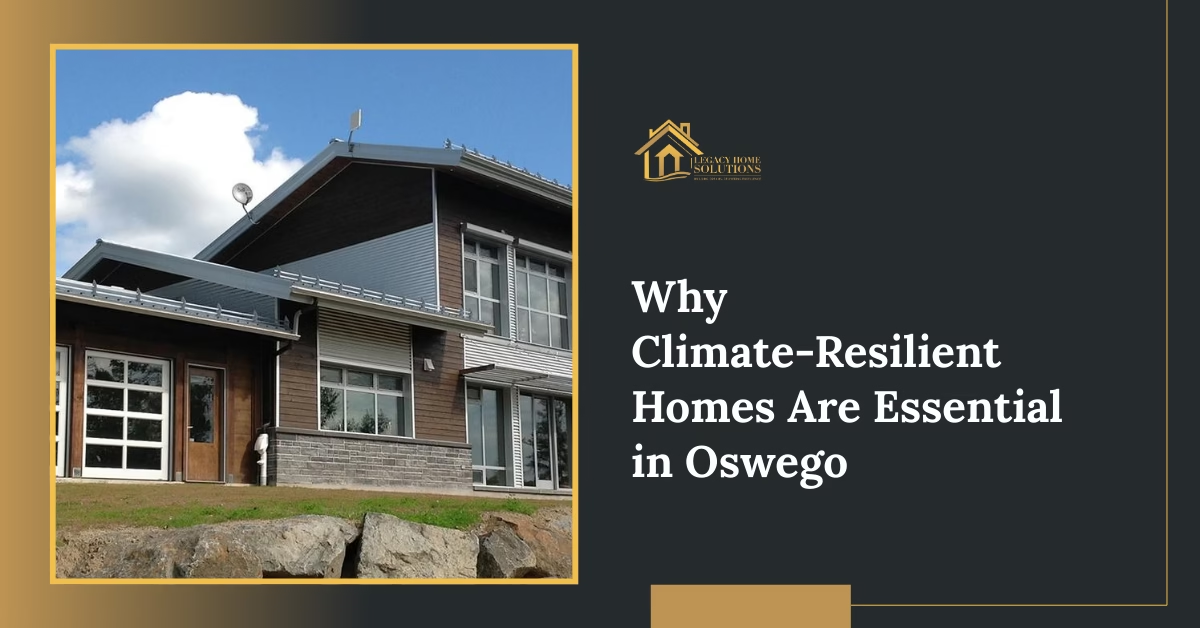
Homes built today must meet three core challenges: comfort, durability, and energy efficiency. Climate-resilient homes achieve this by:
- Withstanding temperature extremes: Proper materials and insulation prevent expansion, contraction, and heat loss.
- Maintaining consistent indoor comfort: HVAC systems, zoning, and smart design ensure livable spaces despite outside swings.
- Reducing long-term costs: Efficient designs lower energy use, maintenance, and repair needs.
The need for these homes has become critical as traditional construction cannot reliably handle the intensity and speed of modern temperature fluctuations.
Past Lessons and Why Modern Design Matters
Historically, homes in Oswego failed during temperature extremes due to:
- Lack of insulation or outdated materials
- HVAC systems are not designed for rapid shifts
- Poor roof and siding choices
- Unplanned layout causing uneven heating
Homeowners learned the hard way that comfort and durability cannot rely on traditional standards. Modern climate-resilient homes apply these lessons, ensuring every material and system works together to adapt to rapid swings.
Step-by-Step Planning Guide for Climate-Resilient Homes in Oswego
Building a home that withstands extreme temperature swings requires careful planning. Here’s a detailed, actionable guide:
Step 1: Study Local Climate Patterns
Collect data on seasonal highs and lows, daily temperature swings, humidity, and wind patterns. This informs insulation, roofing, and HVAC decisions.
Step 2: Prioritize Comfort Zones
Identify the most-used spaces and ensure they receive the best insulation, heating, and cooling.
Step 3: Select Materials for Resilience
Use high-performance insulation, triple-pane windows, flexible roofing, and moisture-resistant siding. Avoid standard materials that fail under rapid temperature changes.
Step 4: Design Smart Layouts
Optimize airflow and circulation. Minimize long hallways and unused spaces, which can exacerbate uneven heating or cooling.
Step 5: Implement Advanced HVAC
Choose zoned, high-efficiency systems with smart controls to adjust to temperature swings. Consider supplemental systems like radiant floor heating.
Step 6: Incorporate Passive Strategies
Use natural sunlight, shade, and ventilation to stabilize temperatures without additional energy use.
Step 7: Plan for Long-Term Maintenance
Even resilient homes need periodic inspections of HVAC, roofing, and insulation to maintain performance.
Ignoring extreme temperature swings isn’t just uncomfortable; it can lead to expensive damage and energy bills if your home isn’t built to handle Oswego’s new climate reality.
Benefits of Climate-Resilient Homes in Oswego
- Stable Indoor Temperatures: Even during rapid outdoor swings
- Lower Energy Costs: Efficient insulation, windows, and HVAC reduce bills
- Durability: Homes last longer with less maintenance
- Health and Comfort: Reduced drafts, mold, and condensation
- Long-Term Investment: Resilient homes retain value and appeal
Innovative Design Strategies for Extreme Temperature Swings
- Thermal Zoning: Prioritize heating/cooling in occupied spaces
- Reflective or Green Roofs: Reduce summer heat absorption
- Smart Home Automation: Adjust indoor climate automatically
- Landscaping for Climate: Trees and shrubs act as windbreaks and shade
Each strategy contributes to a home that adapts naturally to temperature extremes, improving comfort and reducing energy reliance.
Conclusion
Oswego’s homes are now being built for a new normal: extreme temperature swings. Climate-resilient construction, including high-performance insulation, energy-efficient windows, smart HVAC, durable roofing, and moisture management, ensures homes remain safe, comfortable, and energy-efficient year-round. Proper planning and modern design transform these challenges into long-term benefits for homeowners, allowing them to thrive despite Oswego’s shifting climate patterns.
If you want to build a home designed to withstand Oswego’s extreme temperature swings, Legacy Home Solutions can guide you through every step, from design to construction.
(FAQs)
Q1: What are extreme temperature swings?
A: Extreme temperature swings are rapid or significant changes in temperature over short periods, like hot summers and freezing winters in Oswego.
Q2: Why do homes need to be climate-resilient in Oswego?
A: Climate-resilient homes protect against temperature fluctuations, reduce energy costs, and prevent structural damage.
Q3: What is the most important feature in a climate-resilient home?
A: High-performance insulation is key, keeping interiors comfortable and reducing HVAC strain.
Q4: Can older homes be adapted for extreme temperature swings?
A: Yes, with upgraded insulation, energy-efficient windows, and HVAC improvements, older homes can become more resilient.
Q5: How do smart layouts help homes handle temperature extremes?
A: Smart layouts optimize airflow, natural light, and room placement to maintain consistent indoor temperatures.
Q6: What materials are best for building climate-resilient homes?
A: Durable roofing, fiber-cement siding, and moisture-resistant materials handle expansion, contraction, and weather stress.